
Mortgage Myths and the Self Employed
The world of mortgages is rife with myths, and for self-employed individuals, these misconceptions can be particularly…



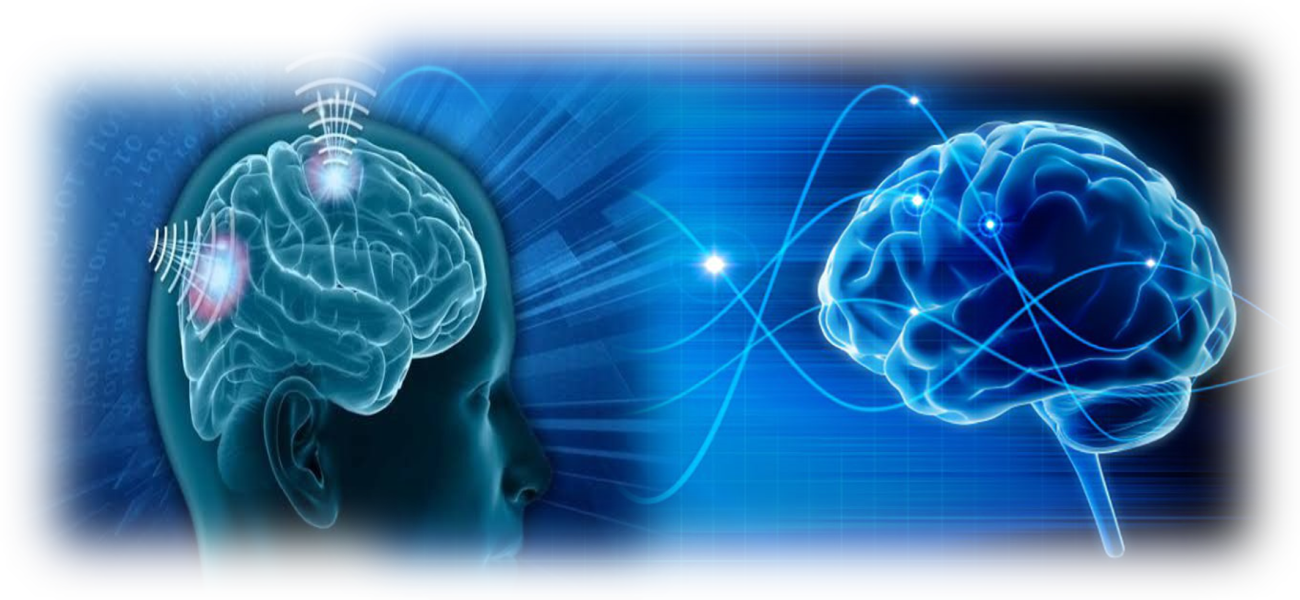
The Global Wireless Brain Sensor Market has shown consistent growth, expanding from USD 402.6 million in 2018 to an estimated USD 620.2 million in 2024. Projections indicate the market will reach USD 1,179.6 million by 2032, advancing at a CAGR of 8.45% during the forecast period. This growth reflects rising demand for advanced neurological monitoring, increasing prevalence of brain disorders, and technological advances in wireless health devices.
Wireless brain sensors represent a significant shift in healthcare, offering real-time, non-invasive brain activity tracking without the restrictions of wired systems. These devices are now widely used across hospitals, research institutes, and specialty clinics, with applications spanning epilepsy, dementia, Parkinson’s disease, traumatic brain injuries, and sleep disorders.
Market Overview
Growing awareness of neurological health has propelled demand for precise, portable, and continuous monitoring solutions. Neurological disorders affect over 1 billion people globally, and conditions such as epilepsy and dementia are rising in prevalence. Wireless brain sensors are central to modern diagnosis, monitoring, and treatment approaches due to their mobility, connectivity, and integration with digital health platforms.
The market’s strong CAGR highlights rapid adoption in clinical and research environments. Hospitals, in particular, dominate demand, supported by increasing investments in advanced medical technologies.
Browse the full Report with Toc: https://www.credenceresearch.com/report/wireless-brain-sensors-market
Market Segment Insights
By Product
The wireless brain sensor market is segmented into Electroencephalography (EEG) devices, Sleep Monitoring Devices, Intracranial Pressure (ICP) Monitors, Transcranial Doppler (TCD) Devices, and Others.
EEG Devices held the largest share in 2024, accounting for 41% of the market. Their dominance is driven by broad use in epilepsy diagnosis, cognitive neuroscience, and sleep disorder analysis.
Sleep Monitoring Devices are expanding rapidly, fueled by rising sleep apnea prevalence and growing consumer interest in wearable sleep health devices.
ICP Monitors remain critical in neurosurgery and trauma care, especially for traumatic brain injury (TBI) patients.
TCD Devices are valuable in stroke management and cerebral blood flow monitoring.
The “Others” category, including innovative portable neuro-monitoring tools, continues to grow through R&D.
By Application
Applications include Dementia, Epilepsy, Parkinson’s Disease, Traumatic Brain Injuries, and Others.
Epilepsy led in 2024, capturing 37% of the share, supported by global initiatives to improve seizure monitoring and early detection.
Dementia cases are rising with aging populations; WHO reports nearly 55 million people living with dementia worldwide, a figure expected to double by 2050.
Parkinson’s Disease research is driving demand for brain sensors to track motor and non-motor symptoms.
Traumatic Brain Injuries are increasingly prevalent due to accidents and sports injuries, making continuous brain monitoring essential.
“Others” include mental health monitoring, depression management, and brain-computer interface studies.
Get free Sample Report : https://www.credenceresearch.com/report/wireless-brain-sensors-market#request_sample
By End User
The market is classified into Hospitals and Research Institutes.
Hospitals dominate with 62% share in 2024, driven by adoption in neurology departments, intensive care units, and surgical centers.
Research Institutes play a key role in exploring advanced applications, from brain-computer interfaces to AI-enabled cognitive studies.
Regional Analysis
The wireless brain sensor market is geographically segmented into North America, Europe, Asia Pacific, Latin America, the Middle East, and Africa.
North America
North America led the market in 2024, supported by advanced healthcare infrastructure, rising neurological disorder prevalence, and early adoption of medical technology. The U.S. accounts for the majority share, driven by strong R&D funding, government support for digital health, and companies launching advanced EEG systems. Canada and Mexico are expanding through hospital modernization and telemedicine growth.
Europe
Europe is the second-largest market, with the UK, Germany, France, and Italy leading adoption. Increasing dementia prevalence, an aging population, and EU healthcare investments have accelerated demand. Germany dominates in medical device innovation, while the UK focuses on AI-driven brain monitoring.
Asia Pacific
Asia Pacific is the fastest-growing region, supported by large patient pools and rising healthcare spending. China and India lead in patient demand, while Japan and South Korea are technology hubs. Australia and Southeast Asia are adopting advanced monitoring for sleep and neurological health.
Latin America
Latin America is developing steadily, with Brazil and Argentina investing in modern hospitals and diagnostic centers. The region benefits from collaborations with international med-tech firms and government healthcare initiatives.
Middle East and Africa
The Middle East market is growing due to GCC investments in hospital infrastructure and digital healthcare platforms. Israel is a hub for med-tech startups focusing on neurological innovations. In Africa, South Africa and Egypt are leading adoption, though broader regional penetration is limited by budget constraints and lower awareness.
Key Growth Drivers
Rising Prevalence of Neurological Disorders
The burden of neurological diseases is increasing rapidly. WHO estimates that neurological disorders account for over 9 million deaths annually. Epilepsy affects nearly 50 million people worldwide, while dementia cases continue to surge with aging populations. These statistics highlight growing need for effective monitoring solutions.
Technological Advancements
Wireless EEG devices, IoT-enabled monitoring, AI-powered diagnostics, and brain-computer interfaces are transforming healthcare delivery. Integration with smartphones and cloud platforms has expanded accessibility, supporting at-home monitoring and telemedicine applications.
Demand for Non-Invasive Monitoring
Patients and providers prefer wireless, non-invasive devices that offer comfort and continuous monitoring. Unlike traditional wired sensors, wireless brain sensors improve mobility, making them suitable for both hospital and home settings.
Growth in Research Activities
Neuroscience research is advancing rapidly, with institutes worldwide investing in wireless devices to study brain activity. The rise of brain-computer interface research for assistive technologies and neuroprosthetics is accelerating adoption.
Market Challenges
Despite strong growth, the market faces certain challenges:
High Device Costs: Advanced brain sensors are expensive, limiting adoption in low-income regions.
Data Privacy and Security: Wireless devices generate sensitive patient data, raising concerns about cybersecurity.
Regulatory Barriers: Stringent approval processes in the U.S. (FDA) and Europe (CE marking) can delay market entry.
Technical Limitations: Signal accuracy and interference remain issues in wireless systems compared to wired alternatives.
Competitive Landscape
The wireless brain sensor market features strong competition from established firms and startups. Key players include:
EMOTIV, Inc.
Muse
NeuroSky
Advanced Brain Monitoring, Inc.
Neuronetrix Solutions, LLC
Other companies are expanding portfolios through collaborations, acquisitions, and R&D investments. EMOTIV, for instance, focuses on portable EEG headsets for consumer and research applications, while Muse specializes in wearable meditation and sleep monitoring devices.
Future Outlook
The wireless brain sensor market is expected to nearly double by 2032. Several trends will shape its future:
Integration with AI and Machine Learning: AI will improve accuracy in diagnosing epilepsy, dementia, and Parkinson’s disease.
Remote Monitoring Growth: Rising telehealth adoption will expand demand for home-based wireless sensors.
Expansion in Emerging Economies: Asia Pacific and Latin America will see the fastest growth as healthcare infrastructure develops.
Neurotechnology Applications: Brain-computer interfaces, cognitive training, and mental health monitoring will open new opportunities.
The combination of growing neurological disease prevalence, supportive research investments, and rapid innovation ensures a strong growth trajectory.
Conclusion
The Global Wireless Brain Sensor Market is on track to reach USD 1,179.6 million by 2032, with a healthy CAGR of 8.45%. Growth is powered by rising neurological disorders, strong adoption in hospitals, and emerging innovations in AI-powered brain monitoring.
Electroencephalography (EEG) devices remain the cornerstone of the market, while epilepsy monitoring leads application growth. North America holds dominance, but Asia Pacific promises the fastest expansion. Hospitals represent the primary end users, while research institutes continue driving innovation.
Key players such as EMOTIV, Muse, NeuroSky, Advanced Brain Monitoring, and Neuronetrix Solutions are reshaping the landscape through portable, accessible, and advanced wireless brain monitoring solutions.
The market’s future is defined by greater connectivity, integration with telehealth, and innovative neurotechnology applications. As healthcare systems prioritize neurological health and digital monitoring, wireless brain sensors will play an essential role in improving diagnosis, treatment, and patient outcomes worldwide.
Post articles and opinions on Dublin Professionals
to attract new clients and referrals. Feature in newsletters.
Join for free today and upload your articles for new contacts to read and enquire further.